
As people age, staying socially connected becomes more important than ever. Unfortunately, many older adults face loneliness and separation from family, friends, or daily activities. These challenges can create serious senior isolation risks that affect both emotional and physical health. However, supportive senior living communities can help seniors feel connected, active, and engaged again.
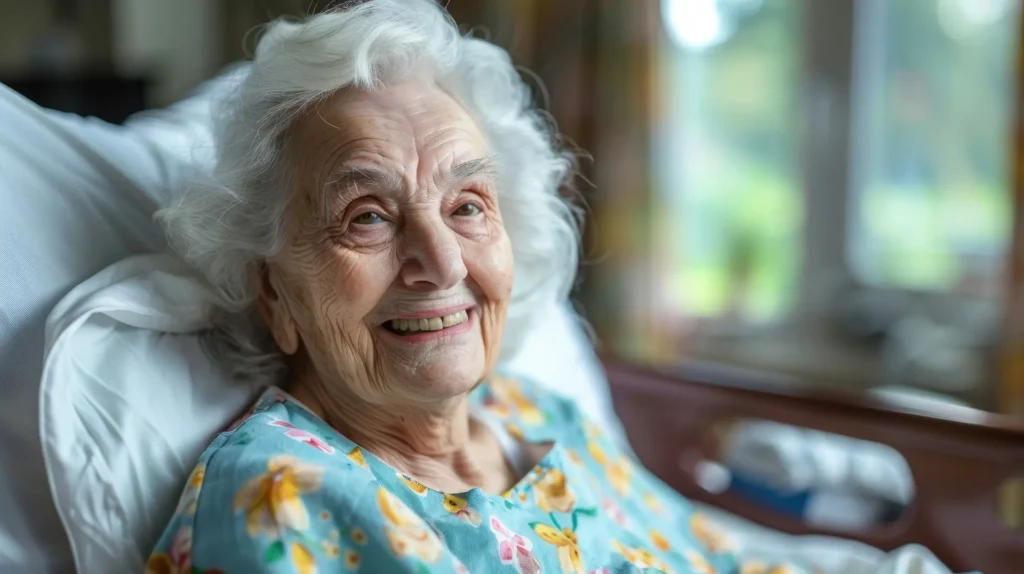
The Emotional Effects of Isolation
Isolation often begins slowly. For example, a senior may stop driving, lose a spouse, or experience health changes that limit mobility. Over time, fewer social interactions can lead to feelings of sadness and loneliness.
In many cases, isolation affects a senior’s confidence and emotional well-being. Seniors who spend long periods alone may experience anxiety, stress, or depression. Furthermore, they may lose interest in hobbies they once enjoyed.
According to the National Institute on Aging, social isolation can increase the risk of cognitive decline and other health concerns in older adults.
Physical Health Concerns Linked to Isolation
The impact of isolation goes beyond emotions. In fact, research shows that loneliness can affect the body in several ways.
Older adults who lack regular social engagement may experience:
- Higher blood pressure
- Poor sleep habits
- Increased risk of heart disease
- Reduced immune system function
- Memory problems and cognitive decline
Additionally, isolated seniors are less likely to stay physically active. Without encouragement or companionship, daily movement often decreases. As a result, overall health may decline more quickly.
Caregivers also notice that isolated seniors sometimes forget medications, skip meals, or neglect personal care routines. Therefore, social support becomes essential for maintaining healthy habits.
Why Social Engagement Matters
Healthy relationships and regular activities improve both physical and emotional wellness. Even small daily interactions can make a meaningful difference.
For example, seniors who participate in group activities often feel more motivated and energized. They also enjoy a stronger sense of purpose and belonging. Whether through fitness classes, games, shared meals, or conversations, community involvement supports better mental health.
Furthermore, social engagement encourages seniors to remain mentally active. Reading groups, music programs, and community events stimulate the brain and help reduce feelings of loneliness.
Families also gain peace of mind when loved ones have consistent support and companionship nearby.
The Benefits of Community Living
Senior living communities help reduce senior isolation risks by creating opportunities for connection every day. Residents enjoy comfortable living spaces while remaining part of an active and caring environment.
At Canterbury Place, residents benefit from compassionate support, engaging programs, and meaningful social opportunities. Community living encourages friendships, promotes independence, and supports healthier lifestyles.
Additionally, staff members understand the importance of emotional wellness. They help residents stay connected through activities, events, and personalized care.
For retirees and caregivers alike, choosing a supportive community can improve quality of life while reducing the harmful effects of loneliness.
Contact Us
If you or a loved one would benefit from a welcoming senior living community, Canterbury Place is here to help. Located in Pittsburgh, the community provides compassionate care and opportunities for meaningful social engagement.
Call (412) 622-9000 to learn more or schedule a visit today.